How to Mix Vocals: The Full Process
VP
VocalPresets Team
7 min read
How to mix vocals is the same path every time: a clean take, the right key, EQ that removes junk, compression that evens you out, space that fits the beat, then a level that sits in the song. You do not need a different philosophy for every DAW. You need this order, then a chain that already has the knobs in a useful place.
This is the umbrella. If you only rap, the shorter path is
. If you live in FL Studio, go deeper in
. If you are on a Mac with GarageBand, use
. Stay here when you want the whole process in one place.
The Only Order That Matters
Plugin names change. The job does not.
- Gate or clip gain - lose the noise between phrases
- Tune - key first, speed second
- EQ - cuts before boosts
- Compress - even, not smashed
- De-ess - after the compressor shows you the S's
- Color - saturation if the vocal is thin, not because a video said analog
- Time - short delay or slap, then reverb
- Level - against the beat, not against a soloed waveform
If you want the "why this order" version, read
and
. Do not rebuild those posts in your mixer. Use them when a step feels wrong.
Start With the Take, Not the Plugin
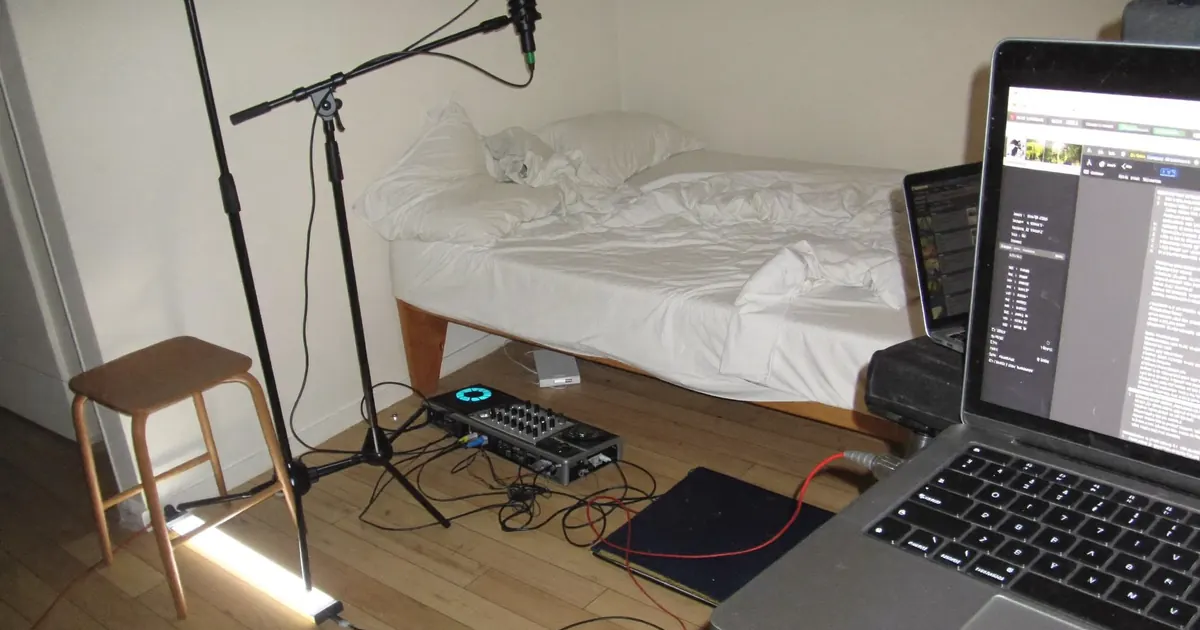
A mix cannot rescue a vocal recorded three inches off axis in a tiled bathroom. Get closer to the mic. Turn the interface gain down until you are not clipping. Treat the room with a closet, a mattress, or a thick blanket behind you.
If the raw take already sounds like a hallway, you will mix a hallway. Fix what you can at the source. Then open the mixer.
Print a dry backup before you experiment. Future-you will want the clean vocal when the chain was a mistake.
Tune Before You Shape
Wrong key is the fastest way to make a "good mix" sound broken. Set the scale. Then set how hard the tuner pulls.
Rap often wants the tuner visible. Sung R&B often wants it quieter. Melodic rap sits in the middle. None of that is a moral rule. It is taste. Just do not leave the plugin in chromatic on a song that is clearly in a key.
If you skip this step and EQ first, you will boost problems the tuner is about to move.
How to Mix Vocals: EQ, Then Compression
This is the center of how to mix vocals, and it is where bedroom records usually go wrong.
EQ is subtractive first
Cut the rumble under 80-100 Hz. Cut the boxy bedroom cloud in the low mids. Cut the harsh S and cheap-mic spike if it is there. Then add a little presence if the vocal disappears in the hats.
You are not painting a smile curve because a chart said 3 kHz is "clarity." You are making space for this beat.
Compression is even, not small
After the vocal is cleaner, even out the words. Medium ratio. Attack slow enough to keep consonants. A few dB of gain reduction. Two light stages beat one slammed plugin.
If you compress first, you glue the mud in. If you only EQ and never compress, the hook still jumps. Do both. In that order.
Space Is a Decision, Not a Default
Reverb is not "more professional." Reverb is distance.
- Dry and close: most rap verses, drill, anything that has to punch
- Short slap or small room: modern pop and a lot of playlist rap
- Longer dark hall: melodic hooks, R&B, sad records
Pre-delay keeps the word dry at the start. Filter the reverb so it is darker than the lead. Bright reverb on a bright beat is how vocals turn to mist.
Delay throws on the last word of a line do more for "studio" than a huge hall on every syllable. If you cannot hear the lyric, the space is too loud. Turn the send down before you change plugins.
Level: Sit in the Beat
The vocal is mixed when it is the same song as the instrumental.
Start the fader too low. Bring it up until the words are obvious on a phone speaker. If you have to strain, it is low. If the 808 feels small, the vocal is probably high, or the low mids in the vocal are fighting the kick.
Check in mono. Check in a car if you can. Headphones lie toward width and detail.
Automation is part of mixing, not a failure. Ride the hook up a dB. Dip a word that jumps. You do not have to smash the compressor harder to hide a loud ad-lib.
One Path, Three DAWs
The process does not change. The buttons do.
FL Studio is where most independent artists should start. Mixer track, Pitcher or Newtone, Fruity parametric EQ, Fruity compressor or limiter, a send for reverb. The click-by-click version is
. The Patcher version is
.
Ableton Live is the same chain inside an Audio Effect Rack. Tune, EQ Eight, Compressor, a return for space.
Logic Pro is Channel EQ, Compressor, and a Space Designer send.
GarageBand can do a real mix with less control. Use
instead of forcing Logic habits into it.
GarageBand and BandLab are last for a reason. They are fine to start. They are not the ceiling. When the song matters, finish in FL Studio, Ableton Live, or Logic Pro.
Load a Chain When You Are Tired of Rebuilding
You can mix vocals from stock plugins. You should know the path above so you can tell when a preset is wrong for your voice. You should not rebuild twelve plugins every Tuesday.
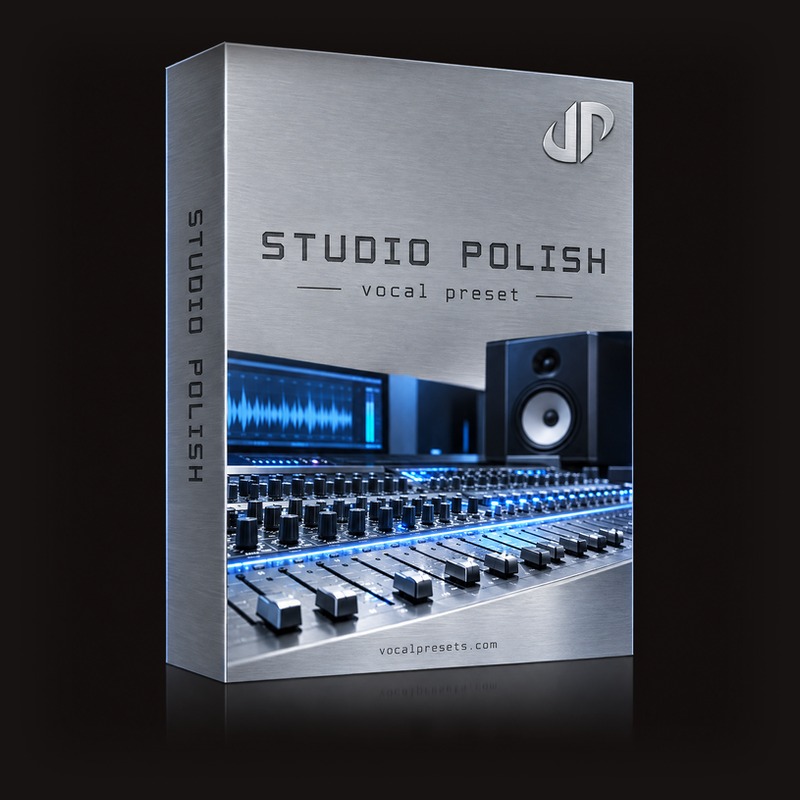
Studio Polish

Vocal Labs
$14.99Studio Polish is the all-purpose finish: controlled, clean, not tied to one genre. Load it when you want the vocal to sound like a record without picking an artist name.
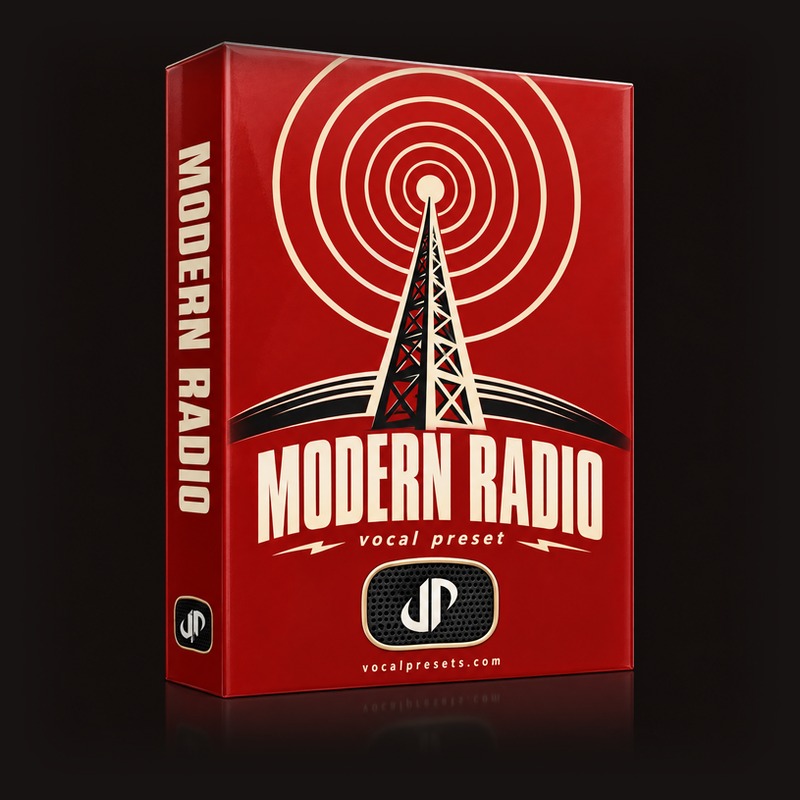
Modern Radio
Vocal Labs
$14.99Modern Radio is the louder, streaming-ready version of the same idea. More even. More push. Use it when the beat is already competitive and the vocal has to match.

Free
Big Drip
Vocal Labs
FreeBig Drip is free. Futuristic space, bright top, a radio-pop lean. Use it to hear a finished chain on your voice tonight, then decide if you need a tighter or darker pack. More free starting points live at free vocal presets.
A preset is not cheating. It is someone else's gain staging, EQ, and space, saved. You still set the key. You still set the input level. You still decide if the verse should be drier than the hook.
If you want to shop by sound instead of by process, open Browse Presets.
What This Post Is Not
This is not the rap-only tutorial. Rap has pocket rules, ad-lib habits, and a drier default. That is already written.
This is not the FL Studio install guide. If you bought a pack and need the files in the mixer, use
.
This is not a promise that one chain fits every song. A drill verse and an R&B hook should not share a hall just because you like the preset demo.
A 20-Minute Mix You Can Repeat
- Import the beat and the dry vocal. Gain-stage the vocal to about -18 to -12 dB.
- High-pass. Tune to the key.
- Cut mud. Cut harsh if needed. One presence boost if the hats bury you.
- Compress 3-5 dB. De-ess.
- Add a short delay. Add a reverb send. Fit the send to the beat, not the preset's demo.
- Level against the instrumental. Flip to mono. Ride the hook.
- If it still sounds like a demo after twenty minutes, load Studio Polish or Modern Radio and record the next take through it instead of opening another YouTube mix.
The second song of the night should be faster than the first. That is how you know the process landed.
FAQ
How long should it take to mix vocals?
A simple lead can be done in twenty minutes once you have a chain you trust. A song with stacks, ad-libs, and a sung hook takes longer because you are mixing several vocals, not one. If you spend three hours on EQ curves, you are avoiding a decision. Load a preset, print a version, and live with it overnight.
Do I need Waves or FabFilter to mix vocals?
No. Stock EQ and compression in FL Studio, Ableton Live, or Logic Pro will get a vocal release-ready if the take is good and the order is right. Paid plugins are faster and often nicer. They are not the missing ingredient. The missing ingredient is usually the recording or the level against the beat.
Should I mix the vocal soloed?
Only to find a nasty frequency or a click. Make the real decisions with the beat on. A vocal that sounds huge solo and thin in the song is a sit problem, not a "needs more air" problem.
What is the difference between mixing vocals and loading a preset?
Mixing vocals is the process: tune, EQ, compress, space, level. A preset is that process saved. You still mix a little - input, key, send levels, maybe a brighter verse. You do not owe anyone a custom chain if Studio Polish already gets the song out this week.
Load Studio Polish or Big Drip, set the key, and record. The mix is a path. The song is the point.