FL Studio Vocal Chain: Mixer and Patcher Setup
VP
VocalPresets Team
6 min read
An FL Studio vocal chain is the insert path your vocal hits after the Playlist clip: tuner, EQ, compression, a limiter catch, then space on a send — or that same order stuffed into one Patcher slot. You do not need Waves to have a chain. You need a fixed order and a saved mixer track so you are not rebuilding it every session.
This post supports the mix how-to. If you do not know how to route a clip to an insert yet, do that first:
If you want the same idea outside FL:
FL Studio vocal chain: mixer vs Patcher
Mixer slots are easier to see. Each plugin has its own slot. You bypass one thing without opening a rack. This is the right starting point.
Patcher is one slot that holds the whole graph. It is cleaner on a crowded mixer. It is also easier to break if you patch the audio wrong. Use Patcher when the mixer chain already sounds good and you want to save it as one unit.
Both are an FL Studio vocal chain. The sound does not come from the container. It comes from the order and the settings.
Stock mixer chain you can save tonight
On the lead insert, top to bottom:
- Pitcher (or your tuner). Key of the beat. Medium speed until you choose the effect.
- Fruity Parametric EQ 2. High-pass. Cut mud. Presence only after the cut.
- Fruity Compressor or Fruity Limiter in compressor mode. A few dB on loud lines.
- A second EQ or a narrow dip if S sounds still jump. Optional.
- Fruity Limiter as a ceiling. Seatbelt. Not the whole sound.
- Send to a reverb/delay insert. Lead stays mostly dry.
That is enough to release. You can add saturation later. You should not add five saturators first.
Save the insert as a mixer track preset when it sits on a real beat. Next song, load it, set the key, record.
Stock Patcher version
Open Patcher on an empty slot. Drag the same plugins into Patcher. Connect From FL into Pitcher (or EQ if you tune outside Patcher), then EQ into compressor into limiter, then back To FL.
Keep the send reverb outside Patcher. Space is easier to share across doubles and ad-libs if it lives on a send insert.
If audio does not come back, you missed To FL. That is the number one Patcher "it is silent" bug.
Do not put thirty plugins in the graph because a screenshot did. Four honest processors beat a spaghetti patch you will never open again.
What each block is doing
Tuner. Puts the note on the grid. Wrong key makes every plugin after it sound worse.
EQ. Removes what fights the beat. Adds a little read on the words. EQ is not a personality transplant.
Compressor. Makes quiet words and loud words closer. That is why a chain feels "finished" even before reverb.
Limiter. Stops one shout from clipping. If you lean on it for tone, go back to gain and compression.
Send space. Makes the record feel like a place. Too much and the lead walks to the back of the room.
Plugin shopping is a different post. If you want names beyond stock Fruity, use this:
No Waves? Load a stock pack
A lot of FL chains on YouTube assume you own Waves. You might not. That is fine.
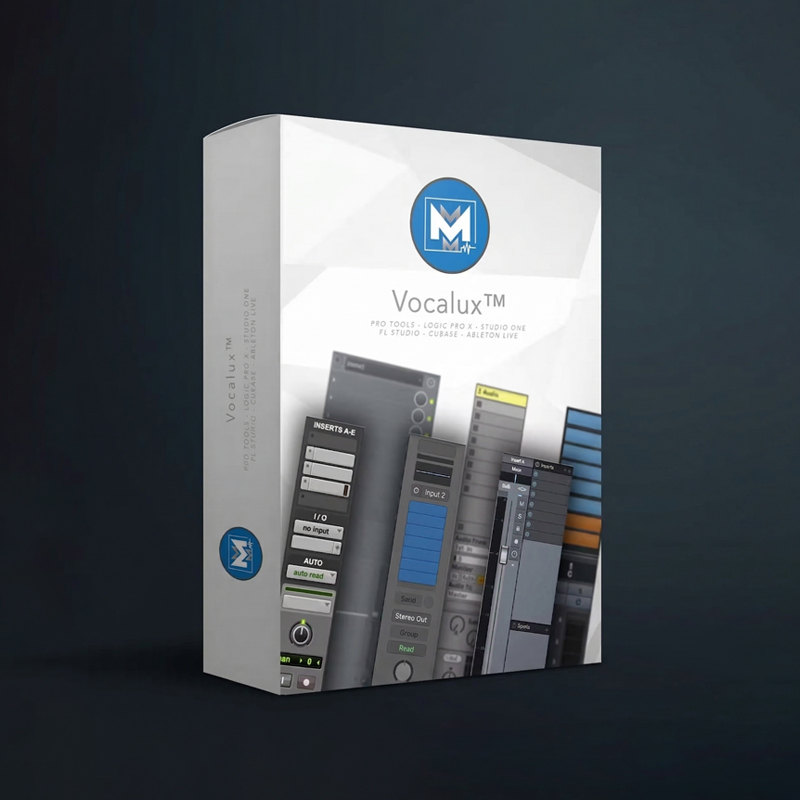
Vocalux™ – Vocal Chain Presets for Stock Plugins

Mike's Mix and Master
$19.99Vocalux is a full chain pack built for stock plugins in FL Studio, Ableton Live, Logic Pro, and the other major DAWs. It is the honest move if you want a professional order without buying a second suite. Load it, set the key, record.
If you want a polished all-purpose finish rather than a stock-only pack:
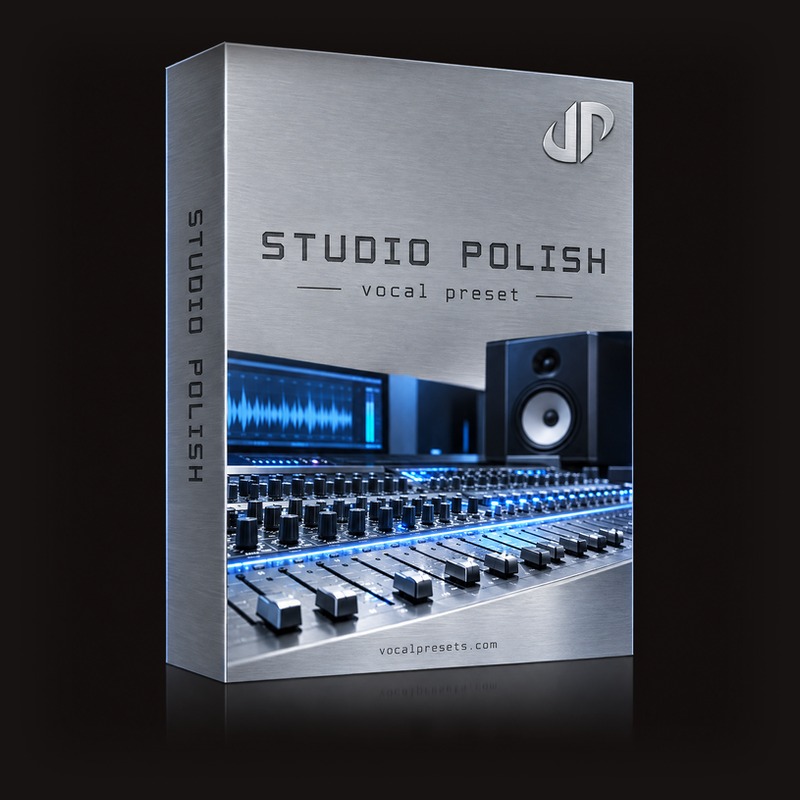
Studio Polish

Vocal Labs
$14.99Studio Polish is the clean, controlled, any-genre starting point. Balance and shine, not a celebrity impersonation.
For a tighter trap pocket against 808s:

Punchy Trap
Vocal Labs
$14.99Punchy Trap is the upfront, energy-first lane. Saturation and slap are already in the attitude. Your job is still the take and the key.
Top Fl Studio Presets



How to set up Patcher without wrecking the session
Tune outside Patcher if you swap tuners a lot. Pitcher on slot 1. Patcher on slot 2 with EQ through limiter. You can change Pitcher without opening the graph.
Put Patcher in one slot, not three nested Patchers. Cute. Fragile.
Save the Patcher preset into your plugin presets when it works. Name it with the song key if you are that person. Name it "lead stock" if you are not.
Bypass the whole Patcher and listen to the raw insert. If the raw vocal is lifeless and the Patcher helps, keep it. If the Patcher is the only loud thing in a bad way, your input gain is wrong.
Do not put Patcher on the master. The master is not a vocal chain.
Doubles and ad-libs on the same idea
Copy the lead insert. Lower the copy. Less compression or more send. Pan doubles a little if the record wants width. Keep the lead in the center.
Ad-libs can take a dirtier version of the same chain. The lead stays readable. The junk lives around it.
If you build this once in Patcher, load the same Patcher on the ad-lib insert and change two macros. That is the point of the rack.
When a preset is the chain
Building stock is how you learn what is broken. A preset is how you finish the song this week.
The mix post is the routing. This post is the saved path. The preset is the saved path plus someone else's ear.
Use Vocalux if you want stock. Use Studio Polish if you want a finished tone fast. Use Punchy Trap if the beat is busy and the vocal has to punch.
Then stop opening empty slots.
Common chain mistakes
A new order every session. You will never learn what your voice needs. Save one FL Studio vocal chain and only change key and two EQ moves.
Reverb inside Patcher at 40% wet on the lead. The vocal leaves the pocket. Use a send.
Compression before the tuner. You can do it. Most bedroom sessions should not. Tune first.
Five EQs. One honest EQ 2 is enough until you have a real problem.
Calling the limiter the chain. A ceiling on a raw closet take is still a closet take.
Mixer track presets vs Patcher presets
FL will let you save the whole insert (slots, sends, fader) as a mixer track preset. That is often better than Patcher when you are still learning. You see every plugin. You can drag one out.
Patcher presets are better when the graph is done and you want one slot on every song. Same FL Studio vocal chain, less mixer clutter.
Do not keep both and forget which one is current. Pick a home. Date the name if you keep versions. "Lead stock v3" is ugly and useful.
If a pack arrives as a Patcher file, load that. Do not rebuild it slot by slot unless you are trying to learn. If a pack arrives as a list of mixer slots, follow the install order. Wrong order is a different chain.
Sends still live outside. A Patcher that includes a huge hall on the lead will fight every beat you drop under it. Keep space on a send insert named Room or Slap. Share it with doubles.
A stock Patcher you can actually finish
From FL → Pitcher → EQ 2 → Compressor → Limiter → To FL.
That is four processors plus the tuner. Add a saturator only if the vocal is lifeless on a dark beat, and keep it subtle. If you need a picture of "more plugins," you are collecting, not mixing.
Hear the beat the whole time you patch. A silent Patcher that looks correct still needs To FL. A Patcher that sounds huge in solo still needs the 808 test.
Once it sits, save it. Next session you are two clicks from recording.
FAQ
What is the best FL Studio vocal chain?
The one you saved that sits on your beats. Stock order is tuner, EQ, compressor, limiter, send. A pack like Vocalux is that idea already built.
Do I need Patcher?
No. Patcher is organization. Mixer slots sound the same if the plugins and the order match.
Can I use Vocalux and a tuner together?
Yes. Tuner first, Vocalux after. The pack is the mix. The tuner is the key.
Stock plugins or Waves for FL?
Stock is enough to release. Waves is extra color. If you do not own Waves, do not wait. Load a stock chain and record.
Load the chain and record
Pick mixer slots or one Patcher. Save it. Set the key.
Vocalux™ – Vocal Chain Presets for Stock Plugins
Mike's Mix and Master
$19.99Load the chain, hit record, and drop the song.