How to Use Auto-Tune on Vocals (Beginner Guide)
VP
VocalPresets Team
6 min read
How to use Auto-Tune on vocals is simpler than YouTube makes it look. You put a tuner on the vocal, tell it the key of the song, and decide how hard it snaps off-pitch notes. That's the whole job. Everything else is taste.
If your take sounds amateur, it is usually not because you "need more Auto-Tune." It is because the key is wrong, the retune speed is fighting the performance, or the rest of the chain is a mess. Tune first. Then mix. Then release.
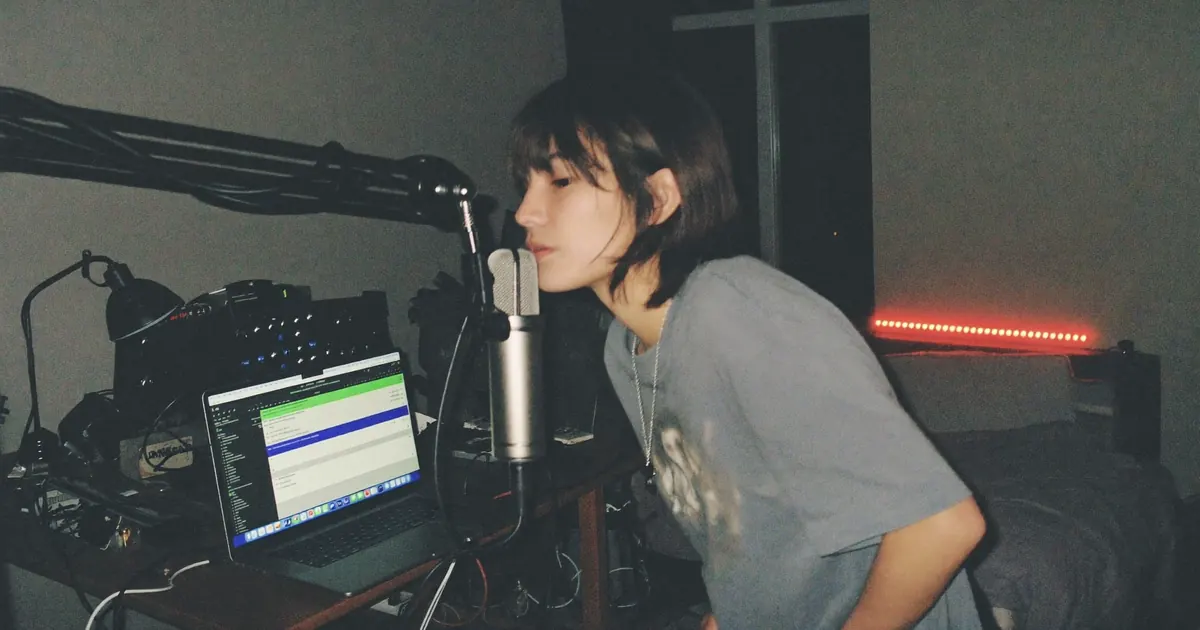
This guide is for independent artists recording in a bedroom — FL Studio first, then Ableton Live and Logic Pro. No engineering degree. No promise you will sound exactly like anybody on the radio. Your voice, finished.
What Auto-Tune actually does
Auto-Tune (and every plugin that copies it) listens to the pitch of your vocal and moves each note toward the nearest note in a scale you choose. Fast movement is the obvious T-Pain / modern rap effect. Slow movement is quiet correction that most listeners never notice.
Three controls do almost all the work:
- Key / scale — the map. If this is wrong, Auto-Tune will yank notes to the wrong pitch and the vocal will sound drunk, not tuned.
- Retune speed — how fast it grabs. 0–5 is hard and obvious. 8–20 is the modern rap/R&B pocket. 20–40 is "keep it human."
- Humanize / flex / tracking — how much of your original scoop and vibrato survives. Turn it up on long sung notes. Turn it down on fast rap.
If you only change those three, you already know how to use Auto-Tune on vocals better than most bedroom sessions.
Set the key before you touch anything else
Open the project. Find the key of the beat. Most type beats list it in the filename or the YouTube title. If they don't, play the beat and match it on a piano roll until the tonic feels like home.
Put Auto-Tune (or Pitcher, or whatever tuner you have) first or second in the vocal chain — after a light high-pass, before heavy reverb. Reverb into a tuner confuses it. Dry-ish signal in, tuned signal out, then space.
Wrong key is the #1 reason artists think Auto-Tune "doesn't work." The plugin is working. You pointed it at the wrong scale.
FL Studio: Pitcher and Newtone
Most artists here are in FL Studio, so start there.
Pitcher (real-time, the Auto-Tune feel)
- Route the vocal to a mixer track (F9).
- Slot 1: optional Fruity parametric EQ 2, high-pass around 80–100 Hz so rumble doesn't throw the tuner.
- Slot 2: Pitcher.
- Set the key to match the beat. Use major or minor — don't overthink modes on your first song.
- Speed: start at 12 for sung melodic rap. Drop toward 4–8 if you want the obvious snap. Raise toward 20 if it sounds like a vocoder.
Pitcher is the live, "I hear it while I record" tuner. That's what most people mean when they search how to use Auto-Tune on vocals in FL Studio.
Newtone (graph, when one word is still sour)
If one ad-lib or the last word of the hook is still off after Pitcher, bounce or send that clip into Newtone and nudge just that note. Don't redraw the whole performance. You recorded a take. Keep it.
Need the rest of the chain after it's in tune? Load a finished vocal preset instead of stacking twelve plugins by guesswork.
Drake Vocal Preset

Vocal Labs
$24.99That Drake Vocal Preset is a full chain with tuning in the pocket — not a clone of Drake's voice. Your tone, that modern rap polish.
Top Fl Studio Presets



Ableton Live and Logic Pro (quick)
Ableton Live: stock Pitch or a third-party tuner on an Audio Effect Rack. Set the scale, then retune. Once the vocal is in tune, drop the rest of the rack — EQ, compression, reverb — or load a preset rack so you are not building it from scratch. Install walkthrough:
.
Logic Pro: Flex Pitch for surgical notes, or a tuner plugin in real time. Channel EQ high-pass first, tuner next, then compressor. Install walkthrough:
.
GarageBand and BandLab have simpler pitch correction. Same rule: correct key, then speed. If you are on BandLab on your phone, you are not loading marketplace .fst files into the app — tune there, mix there, or bounce out and finish in FL later.
Rap vs R&B: two starting points
Melodic rap / trap (harder snap)
- Retune speed: 4–10
- Humanize: low
- Scale: usually minor
- Dry vocal in the center. Don't wash the lead in hall reverb before the tuner has done its job.
This is the lane of
and
— tight pitch, space after the chain, not instead of it.

Travis Scott Preset
Vocal Labs
$24.99
Yeat Vocal Preset
Vocal Labs
$24.99R&B / sung hooks (more human)
- Retune speed: 12–25
- Humanize: medium-high so vibrato doesn't get flattened into a straight line
- Longer notes need more forgiveness. If the chorus sounds like a synth, you went too fast.
The goal is a vocal that sits in the beat, not a tutorial on signal flow. For the rest of the chain after pitch, read
and
.
Settings that make Auto-Tune sound cheap
- Key off by a fifth. Instant "why does this sound cursed."
- Retune 0 on a sung chorus. Robot. Fine as an effect. Bad as a default.
- Tuner after a huge reverb. It chases the wash, not your voice.
- Tuning a bad take instead of punching in. Auto-Tune cannot add air, confidence, or a better vowel. Record another pass.
- Copying a celebrity's exact speed. You don't have their mic, their booth, or their voice. Steal the idea (tight vs loose), not a screenshot of someone else's GUI.
If you want the modern radio shape after it's in tune, that is a preset job, not a retune-speed job. The
walks the rest of that sound without pretending a plugin turns you into Drake.
A 10-minute session that actually ships
- Record a clean take. Phone in the other room. Closet if the room is live.
- High-pass the rumble.
- Tuner in the right key.
- Set speed for the genre — snap for rap, looser for sung R&B.
- Listen on headphones, then on speakers if you have them. If one word honks, fix the word, not the whole preset.
- Load a reviewed chain so EQ, compression, and space aren't random knobs.
- Bounce. Upload. Stop tweaking.
Professional vocals from your bedroom is a process you can repeat tonight. It is not a 40-plugin template you never finish.
Browse FL Studio vocal presets or go straight to Browse presets and pick a chain that already has the tune-and-mix path built in.
FAQ
Do I need paid Antares Auto-Tune?
No. Pitcher, stock pitch tools, Graillon, and other tuners will get a bedroom vocal in key. Paid Auto-Tune is nicer to work with. It is not the difference between "unsigned" and "signed."
Should Auto-Tune go before or after compression?
Tuner early. Light EQ/high-pass, then tune, then compression and effects. Compressing first can make the tuner grab the wrong stuff. Reverb last among the big effects.
Why does Auto-Tune make my rap sound underwater?
Usually the key is wrong or the speed is so fast it smears consonants. Raise retune speed (slower correction), check the scale, and pull reverb off the tuner input.
Can Auto-Tune replace a vocal chain?
No. Tuning is one step. You still need EQ, compression, de-essing, and space if you want the vocal to sit in a beat. That's what a full preset is for —
if you want to understand the order, or load one and record.
Load the tuner. Hit the right key. Record the take you already have in you. Then put a real chain on it and drop the song.