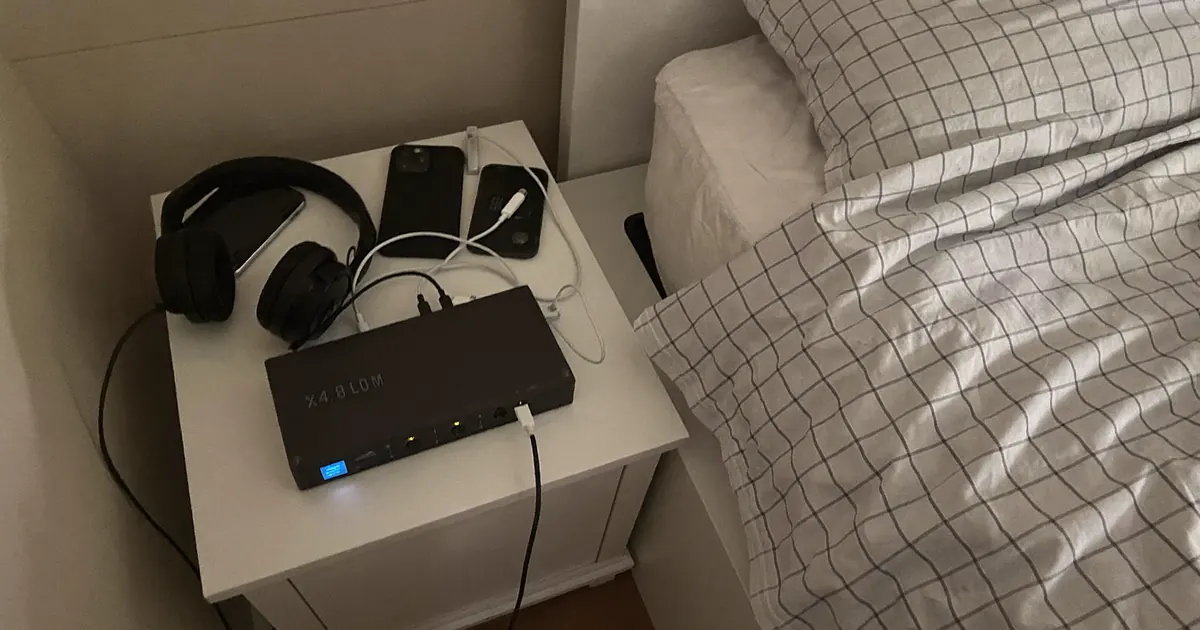
Audio Interface for Vocals: What Bedroom Artists Need
VP
VocalPresets Team
7 min read
An audio interface for vocals is a small box that gives your mic a clean preamp and gets that signal into FL Studio, Ableton Live, or Logic Pro without using the laptop's junk input. One good input is enough. You do not need a 16-channel rack in a bedroom. You need clean gain, low latency, and phantom power if your mic is a condenser.
What an audio interface for vocals actually does
The mic outputs a quiet signal. The interface makes it louder (the preamp), turns it into digital audio (the converter), and talks to your DAW over USB.
If you skip the interface and plug a random USB dongle into a headset jack, you get noise, weird latency, and a vocal that always sounds a little crushed. That is not your voice. That is a bad path.
USB mics hide an interface inside the capsule. That is why they work. A dedicated interface plus an XLR mic is the same idea with better preamps and a mic you can keep when you change computers.
If you have not chosen a capsule yet, do that in this order: room, then mic, then interface. The mic post sits right next to this one.
One clean preamp beats a 16-in rack
Bedroom artists buy racks because the product photo looks like a studio.
You will record one lead at a time. Maybe a cheap second input later for a guitar or a second mic you do not own yet. Sixteen inputs do not make the vocal better. They make the box bigger and the software more annoying.
Buy:
- 1 input if you only ever sing or rap
- 2 inputs if you might record a friend, a guitar, or a backup mic without unplugging
That is the whole channel count conversation.
What you should care about instead:
- Clean gain. Enough to run an SM58 or SM7B without a desperate gain plugin.
- Low noise. Hiss at the end of a quiet R&B verse is the interface talking.
- Stable USB. If it drops out when you open Chrome, return it.
- Phantom power (+48V) for condensers. Off for dynamics unless the manual says otherwise.
Direct monitor is a bonus. It lets you hear yourself without waiting for the DAW. Use it while you learn latency. Then switch to monitoring through the chain once buffer size is sane.
Features that matter (and ones that do not)
Gain
Gain is how loud the mic gets before the computer. Too low and you boost noise later. Too high and you clip, which no preset can beautify.
You want the loudest word of the hook to sit around -12 to -6 dBFS on the input meter. Occasional peaks are fine. A red light that stays on is not.
That is gain staging without the lecture. Leave headroom. Let the compressor in the chain do the riding.
Latency
Latency is the delay between your mouth and your headphones.
If you hear an echo of yourself, raise the buffer while mixing and lower it while recording. Most modern interfaces are fine at 128 samples on a decent laptop. If you cannot get under a distracting delay, update the driver (Windows) or try another USB port. Do not buy a new interface until you have tried that.
You do not need "zero latency" marketing. You need to rap in time.
Phantom power and inputs
Condenser (AT2020, NT1): +48V on. Dynamic (58, SM7B, Q2U on XLR): +48V off.
Combo jacks that take XLR and a line/instrument input are normal. Use XLR for the vocal mic. Do not plug the mic into a guitar input and wonder why it sounds wrong.
MIDI jacks, ADAT expanders, and DSP suites are optional. They do not finish a song.
Interfaces worth buying in 2026
These change names every year. The job does not.
Focusrite Scarlett Solo or 2i2 (current gen). The default bedroom box for a reason. Enough clean gain for most condensers and many dynamics. 2i2 if you want two inputs. Solo if you swear you will never record a second source.
SSL 2 / SSL 2+. A little more expensive. Often a more open, "finished" preamp. Worth it if you already know you will stay on XLR for years.
Audient EVO 4 or iD4. Simple. Good gain. Less brand noise, same job.
Universal Audio Volt 1 or Volt 2. Useful if you like a little analog color and you do not want a rack. The analog button is optional. Your chain still does the heavy lift.
MOTU M2. Clear meters. Solid conversion. A bit more "engineery" which is fine if you like seeing the level.
Any of these is enough. Pick one that is in stock from a shop with returns. Pair it with closed-back headphones so the beat does not leak into the mic.
Skip the used 2008 rack "deal" unless you like drivers from another decade.
Gain staging without turning this into class
- Mic into XLR. Phantom only if the mic needs it.
- DAW input armed. Meters visible.
- Sing the loudest part of the song. Turn the interface gain up until you are in that -12 to -6 window.
- If you have a pad switch and you are slamming a hot condenser, use the pad instead of whispering.
- Record. Do not "normalize later" as a plan. A clipped take is a clipped take.
If the vocal is still quiet after a healthy take, the chain can add level. If the take is clipped, delete it.
The recording post walks room and placement. This box is only the path.
Pair it with the rest of the desk
An interface does not replace a chain, a stand, or a closet.
If you want the full bedroom stack — mic, interface, phones, then presets — use the setup map so you do not buy the same thing three times with different logos.
Order of money when you are broke:
- Room (blankets, closet, location)
- Headphones that seal
- Mic that fits the room
- Interface with one clean preamp
- A vocal chain you will actually load
That last item is how you stop judging a raw interface tone and calling the box bad. Raw vocals are supposed to sound smaller than Spotify.
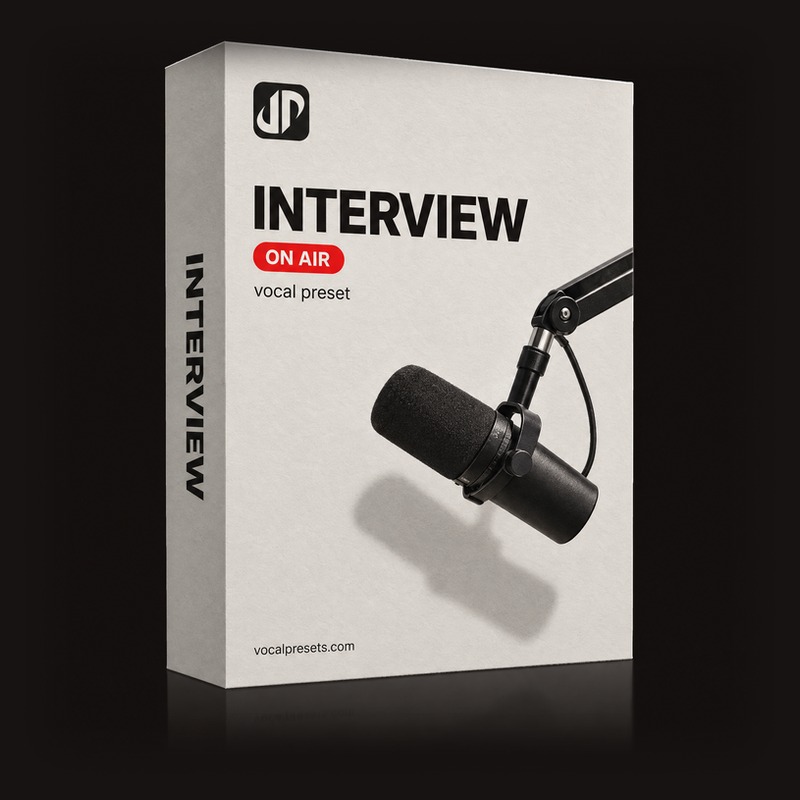
Interview is a free spoken-word chain. It is not a trap hook preset. Use it to check whether your voice is clear and present through the new interface — podcast tone, hard compression, small room. If that sounds clean, the path is fine. Then switch to a music chain for the song.
Free
Interview

Vocal Labs
FreeIf Interview sounds thin and hissy, fix gain, USB, and the mic before you buy another interface. If it sounds solid, you are done shopping. Go make the record.
DAW setup in one minute
FL Studio first: audio settings, pick the interface as the input device, set a buffer you can perform with, arm the mixer track, select the right input. Ableton Live: Preferences > Audio, same idea. Logic Pro: choose the device, set input 1 on the track.
Then load a chain. Then record. The interface is doing its job if you forget it is there.
Do not stack input FX on the hardware, a tuner, and a second tuner in the DAW. One path. One pitch tool. One chain.
Cables: a short, known-brand XLR beats a 20-foot mystery cable coiled under the desk. USB: try a port on the machine, not a cheap hub. Most "the interface is broken" nights are a cable, a wrong input, or phantom left off on a condenser.
If you rap loud, watch the pad. If you sing quiet R&B, get closer to the mic before you slam the gain knob and raise the noise floor.
FAQ
Do I need an audio interface for vocals if I have a USB mic?
No. The USB mic is already an interface. Upgrade to XLR plus a box when you want a better preamp, a keepable mic, or less mystery hiss. Not before you have a song worth mixing.
How many inputs do I actually need?
One. Two if you record with someone else or you want a second source without crawling behind the desk. Sixteen is for a room with sixteen mics.
Why is there hiss on quiet verses?
Gain too low and you boosted later, a cheap cable, a condenser in a noisy room, or a bad USB port. Raise clean gain at the interface. High-pass rumble. Move the PC. Then decide if the box is actually noisy.
Can a better interface make me sound like a major-label record?
It can stop the path from ruining you. It cannot replace performance, room, or the mix. One clean preamp plus a finished chain is the bedroom version of "expensive studio." The rack photo is not.
Set the gain. Pick the input. Load a chain. Record the verse while the path is clean — an audio interface for vocals is doing its job when you stop thinking about it.