Lil Baby Vocal Chain: How to Get That Straight-Out-of-the-A Sound
VP
VocalPresets Team
8 min read
You listen to Lil Baby and his vocal sounds so clean, so effortless, so right there in your face. Then you record yourself over a similar beat and your voice sounds muddy, distant, or buried. What gives?
Lil Baby's secret is that his chain is deceptively simple. Unlike Travis Scott or Yeat, there's not a wall of effects -- the vocal is barely touched, which means every setting matters more. But it also means YOU can nail this sound without a closet full of plugins.
Here's how to get your voice sounding like that Lil Baby vocal chain -- the clean Atlanta trap sound from your bedroom. If you need a refresher on vocal chain order, read that first -- it matters even more when the chain is this minimal.
The Lil Baby Sound: Why It Works
What makes Lil Baby's vocal sit so perfectly in every mix:
- Clean, tight compression -- controlled but your natural delivery still comes through
- Precise EQ -- surgical, not dramatic
- Minimal reverb -- his vocal is DRY, and that's the whole point
- Subtle delay -- just enough space to not sound dead
- Warmth from tape saturation -- analog character without obvious distortion
This is the sound that dominated My Turn and It's Only Me. And it's actually the most achievable sound on this list because it relies on precision, not expensive plugins.
Step 1: Light Auto-Tune
Lil Baby uses gentle pitch correction -- you can hear natural pitch variation in his delivery. It's a safety net, not an effect.
Settings:
- Retune Speed: 20-40ms (natural, not robotic)
- Key: Match your song
- Humanize: 30-50 (high -- very natural)
- Flex Tune: 30-50
Free option: Graillon 2 free version handles this perfectly. GSnap works too -- just set the speed slow.
Step 2: Compression -- Clean and Controlled
One compressor, dialed precisely. No smashing -- just control.
Compressor (VCA-style like an SSL or API 2500):
- Ratio: 3:1 to 4:1
- Attack: 5-10ms (lets your consonant transients punch through)
- Release: Auto or 100ms
- Gain reduction: 3-5dB (moderate -- you're smoothing, not squashing)
Free options: TDR Kotelnikov (free, excellent transparent compression) or Analog Obsession BUSTERse.
Your vocal should still breathe. Lil Baby's delivery has natural dynamics and emotion -- preserve that while keeping the level consistent enough to sit on top of the beat.
Step 3: EQ -- Surgical and Clean
The Lil Baby EQ is precise -- no big boosts or cuts. Just fix the problems your bedroom and your mic are creating:
- High-pass: 90Hz, 18dB/oct (kill the room rumble)
- Low-mid clean: -1-2dB narrow cut at 250-300Hz (removes the muddiness your room is adding)
- Body: +1dB around 500-600Hz (just a touch of warmth)
- Presence: +2-3dB around 3-5kHz (brings YOUR vocal forward and clear -- this is the money frequency)
- Air: +1-2dB shelf at 12-14kHz (crisp top end that makes it sound expensive)
If your vocal disappears when the beat drops, you need more presence boost. For more on plugin choices, check our best vocal chain plugins for bedroom producers guide.
Step 4: Saturation -- Tape Warmth on a Budget
Very subtle tape saturation. You should NOT be able to hear this in solo -- it only makes a difference in context with the beat.
- Type: Tape
- Drive: 10-15% (minimal)
- Mix: 20-30% wet
- Tone: Neutral
- Free plugins: Analog Obsession TAPE, Caelum Audio Tape Cassette, or Softube Saturation Knob
Step 5: De-Esser
With that much presence boost, your S sounds and T sounds will get harsh -- especially on budget mics:
- Frequency: 6-8kHz
- Reduction: 3-5dB
- Mode: Split-band (more transparent)
Free option: Analog Obsession Sausage or TDR Nova (free dynamic EQ that can work as a de-esser). Place this after EQ.
Step 6: Reverb -- Almost None
This is the KEY to the Lil Baby sound. The vocal is dry. If you can obviously hear reverb, you've added too much. Dry and upfront IS the professional sound here.
- Type: Small room or plate
- Decay: 0.5-0.8 seconds (very short)
- Pre-delay: 15-20ms
- Mix: 8-12% wet (barely there -- seriously, less than you think)
- High-cut: 6kHz (keep it dark and invisible)
Most of the "space" in a Lil Baby vocal comes from the beat, not the vocal processing.
Step 7: Delay -- Subtle Space
A very subtle slapback delay adds dimension without making it sound processed:
- Type: Mono slapback
- Time: 60-90ms (not synced to tempo)
- Feedback: 0-10% (one repeat only)
- Mix: 8-15% wet
- Filter: Roll off below 300Hz and above 6kHz
This is almost subliminal -- you feel it more than you hear it.
Song-by-Song Breakdown
The Lil Baby chain stays consistent across most of his catalog, but there are subtle shifts worth noting.
On Woah, the vocal is clean and dry with the presence boost pushed slightly higher than usual. The EQ around 4-5kHz is more aggressive, making every word slice through the beat. The reverb is at its absolute minimum. This is the reference track for the driest, most upfront Lil Baby sound.
On Drip Too Hard, the vocal sits slightly further back with a touch more reverb than usual (around 12-15% wet). The saturation is warmer, and the overall tone is slightly darker.
On Emotionally Scarred, the vocal is more emotional and dynamic. The compression is backed off to let more natural volume variation through. The reverb tail is a touch longer (around 0.8 seconds). This is the template for introspective tracks.
On We Paid, the vocal is punchy and aggressive. Compression is tighter, presence is boosted harder, and the slapback delay is slightly louder for energy. Reference this for hype tracks.
On Forever from It's Only Me, the chain is classic Lil Baby but with a slightly warmer overall tone. The low-mid EQ is a touch higher, and the saturation adds more texture than usual.
Budget Alternative Chain (All Free Plugins)
The complete Lil Baby chain for zero dollars:
- Graillon 2 (free version) -- gentle pitch correction at 25-35ms retune speed
- TDR Kotelnikov -- transparent VCA-style compression, ratio 3:1, gain reduction 3-5dB
- TDR Nova -- parametric EQ with dynamic bands for surgical precision
- Analog Obsession TAPE -- subtle tape saturation, drive at 12%, mix at 25%
- TDR Nova (second instance or different band) -- de-essing by targeting 6-8kHz dynamically
- Valhalla Supermassive -- room reverb mode, 0.6 second decay, 10% wet
- Your DAW's built-in delay -- slapback at 70ms, one repeat, 10% wet
This free chain handles everything. The Lil Baby sound does not require expensive plugins -- it requires precise settings.
Recording Tips for the Lil Baby Sound
Mic technique is everything with this chain because the processing is so minimal. Maintain a consistent distance of 4-6 inches from the mic throughout your performance.
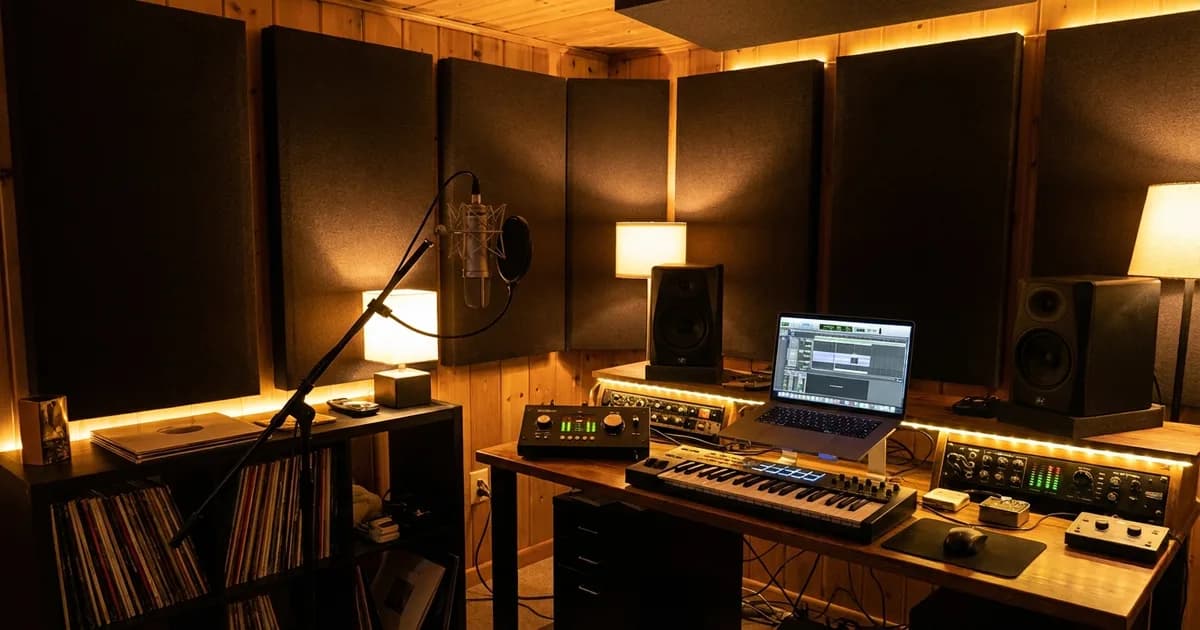
Room treatment is critical. Because the vocal is so dry, any room reflections are exposed. The reverb in this chain is barely there, so it cannot mask room problems the way a Travis Scott-style hall reverb would. At minimum, use a reflection filter behind the mic.
Deliver with confidence and consistency. Lil Baby's vocal sits right on top of the beat because the performance is steady and controlled. Practice your verse before hitting record and punch in section by section for the most consistent result.
Record your ad-libs separately and keep them clean. The Lil Baby ad-lib treatment is almost identical to the lead chain -- no heavy effects. Just the same chain with the delay send adjusted slightly louder.
If you are working in FL Studio, use Fruity Limiter as your compression stage. It is a capable transparent compressor that ships with every version of FL Studio.
How Lil Baby Compares to Similar Chains
The Lil Baby chain is the driest and most minimal on this list. If you are coming from a Drake vocal chain, the main adjustment is less reverb, less saturation, and more surgical EQ. Drake leans into warmth and space. Baby strips it back to the essentials.
Compared to the Travis Scott vocal chain, the Lil Baby chain is the polar opposite. Travis uses heavy Auto-Tune, long atmospheric reverb, chorus, and saturation. Baby uses gentle pitch correction, almost no reverb, and minimal saturation.
The Yeat vocal chain and Playboi Carti vocal chain are even further from the Lil Baby sound. Those chains are about destruction, distortion, and lo-fi character. Baby's chain is about clarity, precision, and letting the performance speak.
The closest relative outside of this list is the general Atlanta trap vocal template -- clean, dry, and present. Artists like Gunna, Lil Durk, and Future (on his more restrained tracks) use similar approaches with variations in compression character and reverb amount.
Signal Chain Order
- Auto-Tune (gentle)
- Compressor (VCA-style)
- EQ
- De-esser
- Tape saturation
- Room reverb (send, barely there)
- Slapback delay (send)
Frequently Asked Questions
Why does my vocal still sound like a bedroom recording even with this chain? The number one cause is room reflections. The Lil Baby chain is dry, so your room's natural reverb is audible. Treat your recording space or get closer to the mic with a reflection filter. The second cause is inconsistent mic distance during recording.
Can I use this chain for melodic singing or only for rapping? It works for both. Lil Baby himself is melodic -- his delivery blends rapping and singing. For more sustained singing, increase the reverb slightly (up to 15% wet) and ease the compression to let dynamics through. The core EQ and saturation settings stay the same.
Is one compressor really enough? Other chains use two. For the Lil Baby sound, yes. The goal is transparent, minimal processing. One compressor at 3:1 with 3-5dB gain reduction is enough to control the dynamic range without squashing the performance. Adding a second compressor moves you closer to Drake territory.
How do I make my ad-libs sit correctly with this chain? Use the same chain but lower the fader 3-6dB below the lead. Increase the delay send slightly so the ad-libs have more space. Pan them 30-50% left or right to create width. The ad-libs should support the lead, not compete with it.
The Atlanta Formula
The Lil Baby sound proves you don't need heavy processing or expensive plugins to sound like a professional artist. Clean recording + precise chain = YOUR voice sounding industry-ready. That's the Atlanta way.
Want these exact settings ready to go? Browse our vocal presets -- designed for bedroom artists who want that clean ATL trap sound. Or start with our free vocal presets to hear how clean processing transforms your recordings.