
Best R&B Vocal Presets in 2026
VP
VocalPresets Team
8 min read
You recorded your song at 2 AM. The lyrics hit, the melody is right, and you felt it when you sang it. But when you play it back the next morning, your voice sounds thin, digital, a little harsh -- nothing like the warm, intimate R&B records you're trying to make.
That distance between your bedroom recording and a release-ready R&B vocal isn't about talent. It's about the vocal chain -- and the right R&B vocal presets close that gap instantly.
What Makes R&B Vocals Sound Like That
R&B vocal production is about warmth and emotion, not clinical perfection. The goal is a vocal that feels like someone singing right next to you -- intimate, textured, human.
Here's what your voice needs:
Smooth compression. Your voice has natural dynamics -- quiet breathy parts, louder belted moments. Compression evens that out so your quiet moments are still heard and your loud notes don't clip. The right compression makes your vocal feel controlled without killing the emotion in your delivery. For R&B specifically, you want a slow attack (20-30ms) so the initial transient of each phrase comes through naturally, and a moderate ratio around 3:1. The Vintage Opto compressor in Logic Pro or the Fruity Limiter in FL Studio both handle this well.
Warm EQ. A slight boost in your low-mids (200-400Hz) adds body and warmth to your voice. Cutting a little harshness around the upper midrange (2-4kHz) keeps it smooth. A touch of air on top (10-12kHz) adds sheen. The result is a vocal that feels full and present without being harsh or fatiguing. Be careful not to boost too much below 300Hz -- that's where muddiness lives, especially on cheaper microphones.
Saturation. This is the difference between sounding like you recorded in a bedroom and sounding like you recorded in a real studio. A touch of analog-style saturation adds harmonic richness that makes your voice feel warm and textured. In FL Studio, Fruity Soft Clipper set to a very gentle drive does this. In Logic Pro, the Overdrive plugin at minimal settings works. For third-party options, Soundtoys Decapitator and the free Saturation Knob by Softube are both solid choices.
Reverb -- intimate, not distant. R&B reverb should make your voice feel like it's in a room with the listener. A small room reverb or plate reverb keeps things close and personal. Hall reverb pushes your voice back and kills the intimacy that makes R&B work. Set your decay time between 1-1.5 seconds. Pre-delay of 30-50ms separates the dry vocal from the reverb tail so your words stay clear.
Transparent pitch correction. You're not going for an Auto-Tune effect here -- you're just cleaning up slight imperfections while keeping the emotional nuance of your performance intact. If anyone can hear the tuning, it's too much. Set your retune speed to 30-50ms for natural correction. Waves Tune Real-Time, Auto-Tune Access, or the free MAutoPitch by Melda all work for this.
Best R&B Vocal Presets in 2026
These presets are built for R&B artists recording vocals at home:
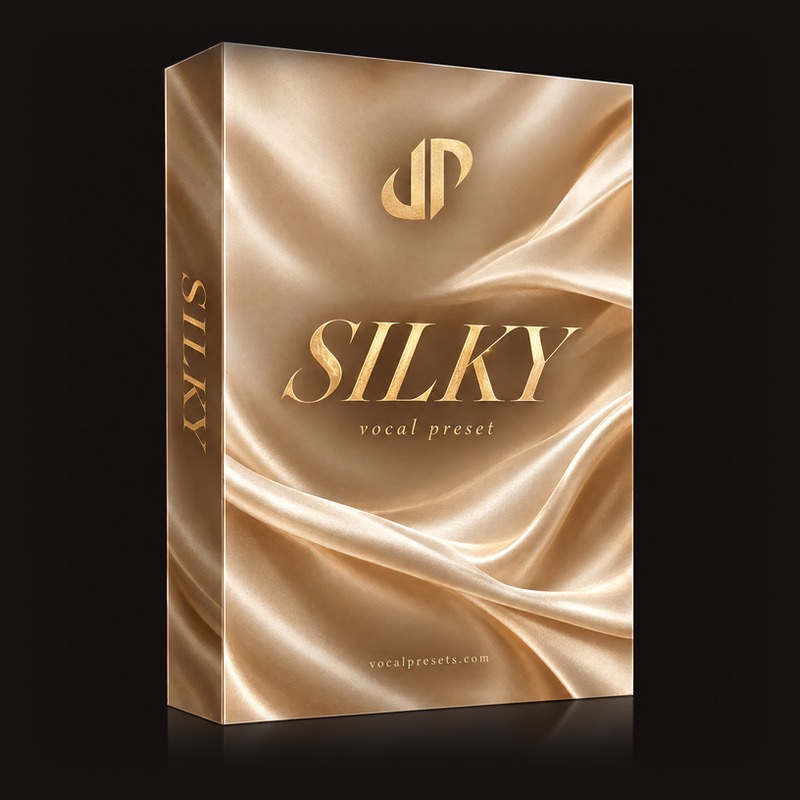
Silky

Vocal Labs
$14.99Silky is the one. Warm, smooth, and your voice sounds like a voice -- not a processed signal running through a laptop. If you only grab one preset for your R&B songs, this is it. The compression is dialed for dynamics that breathe, the EQ adds warmth without mud, and the reverb sits close. Works in every major DAW.
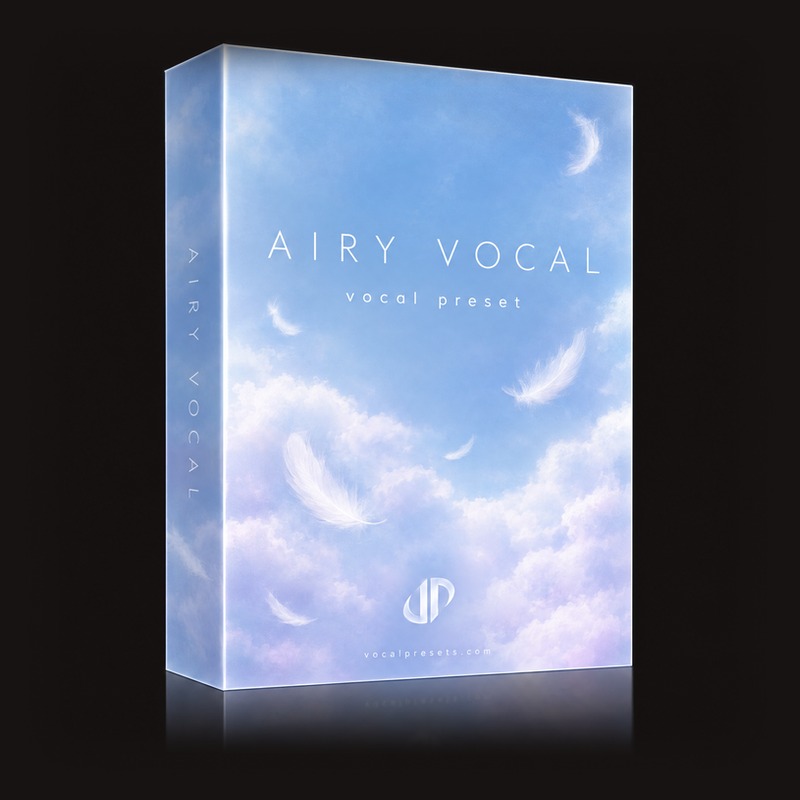
Airy Vocal
Vocal Labs
$14.99Airy is for when your voice needs to float -- the chorus of a ballad, a falsetto run, the part of the song where everything opens up. The sheen and spaciousness let your vocal breathe. This one pairs well with layered harmonies because the high-frequency sheen helps each voice sit in its own space.

Heartbroken
Vocal Labs
$14.99Heartbroken is emotion-forward. The warmth and compression are dialed for that heavy, sad vocal -- the kind of song that makes people pull out their phone and text their ex. It's got weight without being heavy-handed. The saturation stage adds just enough grit to give your voice character without sounding distorted.
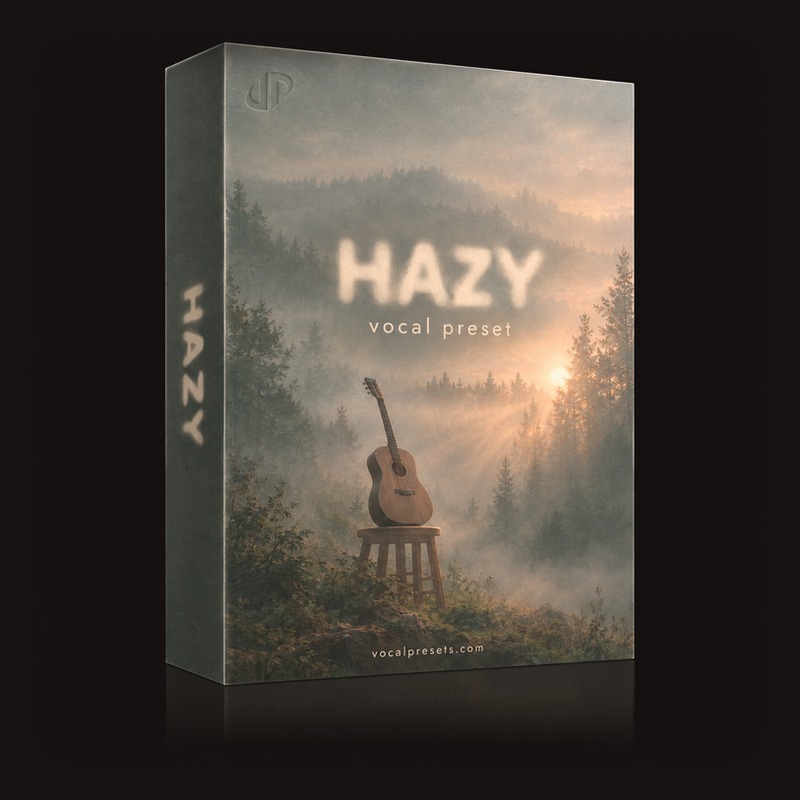
Hazy
Vocal Labs
$14.99Hazy works for contemporary R&B where the lines between R&B and hip-hop blur. The dreamlike quality fits perfectly on modern records. If you're making music that lives between singing and rapping -- the kind of vibes you hear on late-night Spotify playlists -- this is your starting point.
Browse the full R&B preset collection:
The R&B Vocal Chain Breakdown
If you want to understand what's actually happening inside these presets, here's the standard R&B vocal chain that most of them follow:
- High-pass filter at 80-100Hz -- removes room rumble and mic handling noise
- Subtractive EQ -- cut any harshness in the 2-4kHz range, reduce mud around 200-300Hz if needed
- Compression -- slow attack, 3:1 ratio, aiming for 3-5 dB of gain reduction
- Saturation -- subtle, just enough to add warmth and harmonic content
- Additive EQ -- gentle boost at 150-200Hz for body, air boost at 10kHz+
- De-esser -- targeting 6-8kHz to smooth out sibilance
- Reverb (on a send) -- plate or small room, 1-1.5 second decay
- Delay (on a send) -- quarter note or dotted eighth, very low in the mix
The order matters. Compression before saturation gives you a denser, more controlled sound. The de-esser after additive EQ catches any sibilance that the high-frequency boost introduces.
DAW-Specific Tips for R&B Vocals
FL Studio: Route your vocal to a dedicated mixer track and build your chain in the insert slots. The stock Parametric EQ 2 is excellent for surgical cuts. For compression, Maximus gives you multiband control that works well for R&B dynamics. Check out the full guide on FL Studio vocal presets.
Logic Pro: Logic's Channel Strip is built for this workflow. Load a Channel Strip preset and your entire chain appears at once. The Vintage Opto compressor is perfect for R&B -- it has that smooth, musical response that optical compressors are known for. See our Logic Pro vocal presets page for more options.
Ableton Live: Use an Audio Effect Rack to group your chain. Ableton's Glue Compressor works well for vocal glue in R&B. The stock Reverb is decent, but if you have a send track with Valhalla Supermassive (free), the plate algorithms sound incredible on R&B vocals. More at Ableton Live vocal presets.
Tips for Recording R&B Vocals in Your Bedroom
Record every section multiple times. R&B lives and dies on the nuance of your performance. Record each verse three times, each chorus five times, and pick the best moments. This is how every R&B song you love was made.
Layer your harmonies. Even basic three-part harmonies on your chorus -- root, third, fifth -- make your song sound ten times more polished. Keep them quieter than you think they should be. They add richness without competing with your lead vocal. Pan the harmonies slightly left and right (30-50%) to create width while keeping the lead centered.
Automate your reverb between sections. Keep the reverb low during your verses for intimacy, then let it open up slightly on the chorus. That contrast between sections creates emotional dynamics that listeners feel even if they can't name it. In most DAWs, you can automate the send level to your reverb bus.
Record your runs and ad-libs separately. After your main vocal is done, go back and lay down the vocal runs and ad-libs on their own tracks. This lets you control them independently and keep them from smearing over your lead. Process the ad-libs with slightly more reverb and a touch more high-end than your lead for contrast.
Watch the buildup when stacking. When you layer your lead, harmonies, and doubles, the low-mid frequencies build up fast. If your song starts sounding muddy after you add layers, high-pass your background vocals higher than your lead -- try 150-200Hz instead of 80Hz. This clears space for the lead while keeping the harmonies present.
Use a pop filter and get close. R&B vocals benefit from proximity effect -- that low-end warmth you get from singing close to a condenser mic. Position yourself 4-6 inches away with a pop filter. This natural warmth means you need less EQ boost later, which always sounds better.
The Difference Between Good and Great
The gap between a good R&B vocal and a great one is how it sits in the mix -- a great one feels like the singer is in the room with you. Warm, present, real. A quality preset tuned for this genre is the fastest way to get your recordings there without spending hours tweaking individual plugin settings.
You already have the voice. These presets make sure your recordings do it justice.
Frequently Asked Questions
What microphone works best for R&B vocals at home?
A large-diaphragm condenser mic captures the warmth and detail that R&B needs. The Audio-Technica AT2020 (around $100) and the Rode NT1 (around $270) are both excellent for bedroom R&B. If you're on a tight budget, even the Fifine K669 ($30) can produce surprisingly good results when paired with the right vocal preset.
Should I use Auto-Tune on R&B vocals?
For R&B, pitch correction should be transparent -- the listener shouldn't hear it working. Set the retune speed to 30-50ms so it corrects gently without creating that robotic effect. If you want the occasional obvious tuned moment on a specific phrase, automate the retune speed faster just for that section.
Can I use the same preset for verses and choruses?
You can, but your mix will sound more polished if you adjust between sections. Many artists duplicate their vocal chain and tweak the chorus version -- slightly more compression, a touch more reverb, maybe a wider stereo spread on the doubles. Even small differences between sections create movement that keeps the listener engaged.
How do I get that breathy, intimate R&B sound?
Sing close to the mic (3-5 inches) and control your volume with technique rather than stepping back. The proximity effect adds natural low-end warmth. Then use gentle compression (2:1 or 3:1) so the quiet, breathy moments are still audible without being pushed unnaturally loud. A plate reverb with a short decay (under 1 second) keeps that close, intimate feeling.
Related reads: Best Trap Vocal Presets 2026 | Best Free Vocal Presets | Future-Style Trap Vocals
Ready to find your sound? Browse vocal presets designed for bedroom artists making release-ready music. Or start with our free vocal presets -- no credit card, no commitment.